
The History of Corn in Mexico
**The history of corn in Mexico is fascinating** and deeply tied to the country’s cultural, social, and economic identity. Here's a summary:
**Origin of Corn**
Corn (Zea mays) originated in Mesoamerica about **9,000 years ago.**
It is believed to have been domesticated from a wild plant called **teosinte**, which grew in the region now encompassing southern Mexico and Central America.
Corn is the result of a long process of selection and cultivation carried out by indigenous peoples, who transformed this plant into one of the most important crops in the world.
**Corn in Mesoamerican Cultures**
**Corn was not just a food;** it also held sacred significance. Civilizations like the Maya, Mexica (Aztecs), and Olmecs considered corn a gift from the gods.
In Mayan mythology, the Popol Vuh narrates that the first men were created from corn dough. For this reason, the Maya referred to themselves as **“the people of corn.”**
The Mexica honored Centeotl, the god of corn, and Chicomecóatl, the goddess of agriculture, with ceremonies to ensure abundant harvests.
Corn formed the foundation of the Mesoamerican diet, used to prepare tortillas, tamales, atoles, and other essential foods.
**Diversity and Traditional Techniques**
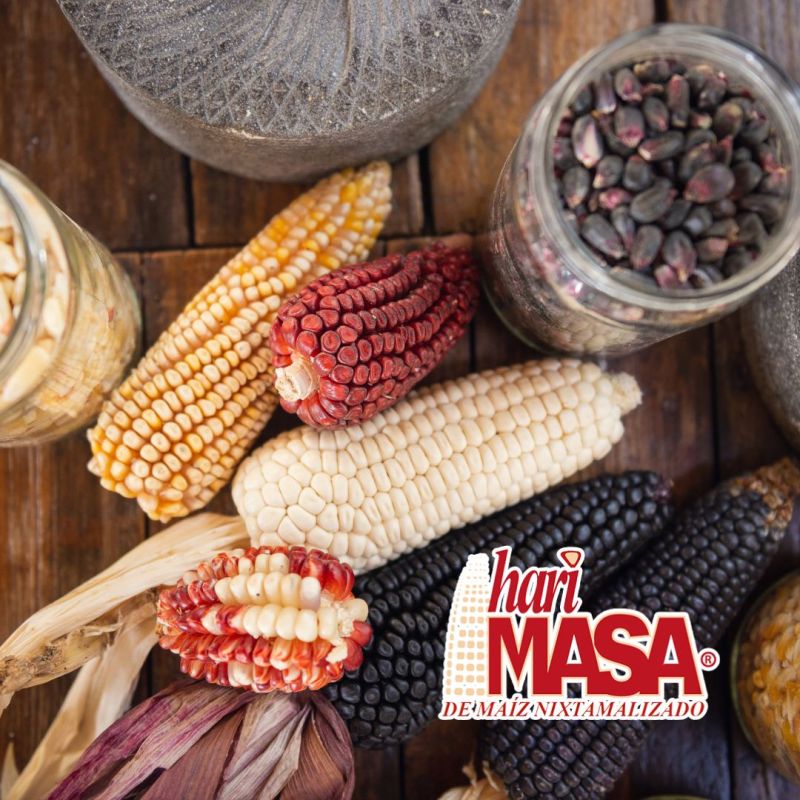
Mexico is the center of origin and diversity for corn, with around **64 native varieties**, each adapted to different climatic and ecological conditions. Traditional techniques like **the milpa** (a cultivation system combining corn, beans, and squash) have been vital for agricultural sustainability, enriching soil fertility and controlling pests.
**The nixtamalization process**, developed by ancient Mesoamericans, is essential for preparing corn.
This involves cooking the grain in water with lime, which enhances its nutritional value by releasing niacin (vitamin B3) and making it easier to digest.
**Conquest and Transformation**
With the arrival of the Spanish in the 16th century, corn was introduced to Europe and other parts of the world. However, during the colonial period, other crops like wheat were promoted, relegating corn as the food of indigenous peoples and the lower classes.
**Corn Today**
Corn remains a cornerstone of Mexican culture today. Tortillas, pozole, tamales, and elote are examples of how this grain continues to be a part of daily life. However, it faces challenges such as:
The rise of genetically modified crops, which threaten the diversity of native varieties.
Migration and loss of traditional knowledge, affecting sustainable agricultural practices.
Despite these challenges, **corn remains a symbol of cultural resistance and identity for Mexico.**
Contactar vía WhatsApp: WhatsApp
City: Houston TexasVer Perfil: hariMASA
Sin comentarios aún.